get expert support for Locksmith near me right away
Reasons Why Rekeying Your Locks Matters: Insights from Professionals and Nearby Services You Can Count On!
Rekeying locks is fundamental to enhancing home security. This becomes especially critical following considerable life changes, like relocating or going through a separation. This method invalidates previously used keys, ensuring that unauthorized individuals cannot access your property. Knowing when and how to rekey your locks can significantly affect your overall security. Yet, not all rekeying services are created equal. Selecting the appropriate service for your needs can truly change the outcome.
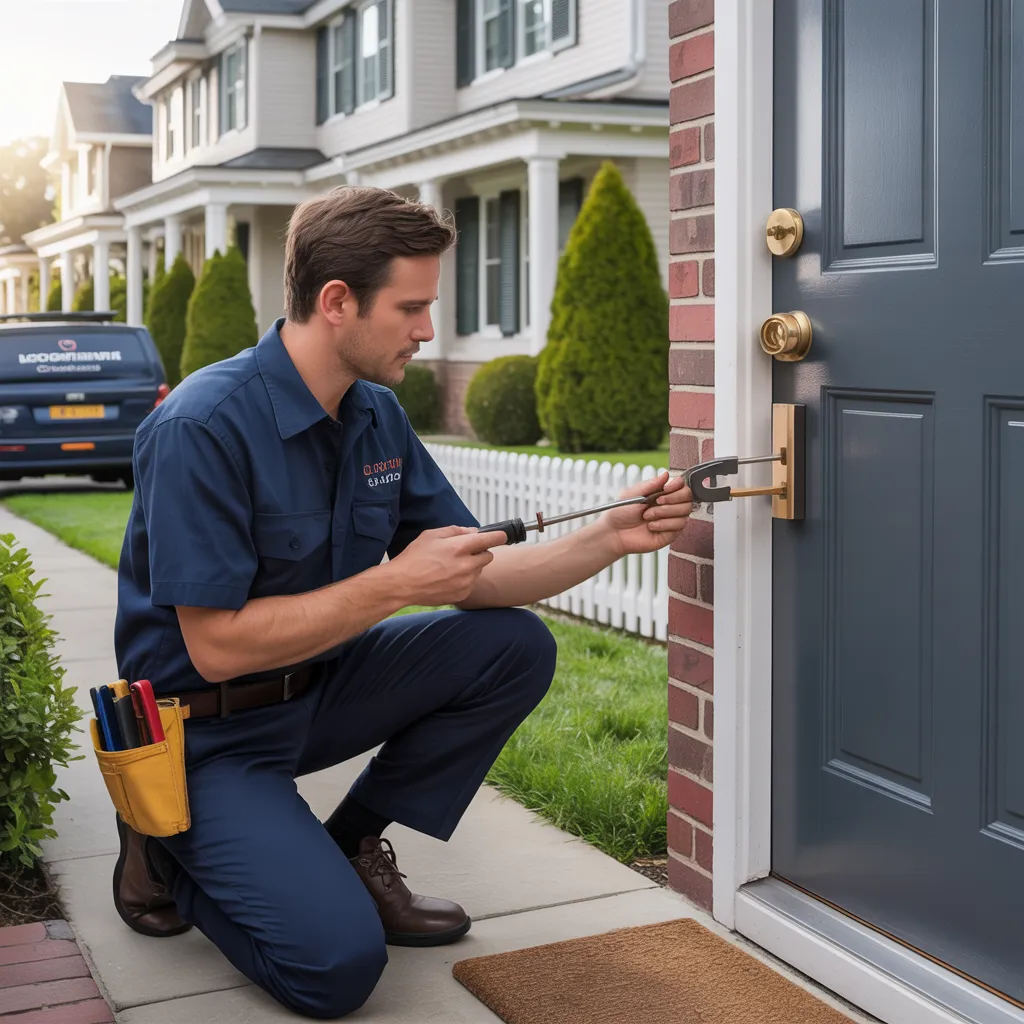
Why Rekeying Is Essential for Your Home's Security
Rekeying is crucial for enhancing a home's safety, especially when there are issues regarding unauthorized individuals gaining access. This procedure entails altering the inner workings of a lock, invalidating existing keys while offering new keys that operate flawlessly. Homeowners often find themselves in situations where previous keys may be in circulation, such as after a move or following a key loss. By rekeying, they ensure that only authorized persons maintain access to their home.
Moreover, rekeying serves as an affordable option compared to replacing whole lock systems. It not only strengthens security but also offers peace of mind. Professional locksmiths can quickly perform this task, often within a single appointment. Routine rekeying can become part of a homeowner's security regimen, adjusting to shifts in living situations or safety requirements. In the end, emphasizing rekeying adds significantly to a home's comprehensive security plan.
When You Should Consider Rekeying Your Locks
Homeowners should consider rekeying their locks in various situations to maintain security. One typical circumstance occurs when people move into a newly purchased home; former residents might still possess a working key. Similarly, after a divorce or breakup, rekeying can help guarantee that an ex-partner cannot enter the property. Additionally, if a key is lost or stolen, it poses a significant security risk, making rekeying a prudent choice.
For homeowners experiencing repeated lockouts or noticing wear in their lock mechanisms, rekeying can also be beneficial. Residents may find rekeying valuable during scheduled security enhancements, especially if they have invested in new security technologies. Finally, if there are concerns about unauthorized duplication of keys, rekeying delivers much-needed reassurance. By addressing these situations promptly, homeowners can strengthen their home security and safeguard their property with confidence.
A Simple Breakdown of How Rekeying Works
Modifying the internal components of a lock can dramatically enhance security without the need for a full replacement. The rekeying process involves modifying the lock's internal pins and springs to produce a new key that works the lock while rendering the old key useless. This process begins by taking apart the lock cylinder, where the old pins are extracted and swapped for new ones of different sizes. Every pin aligns with a particular height on the new key. After reassembly, the lock will only function with the freshly cut key. The whole process generally requires less time than a full lock replacement and is often more cost-effective. Furthermore, rekeying enables homeowners to keep their existing locks while enhancing security, especially after losing a key or moving into a new home. This approach offers reassurance without the cost and hassle of a full lock replacement.
How to Choose the Right Rekeying Service
Selecting the best rekeying professional can greatly influence the efficiency and consistency of the security improvement. When choosing a service, it is important to assess the provider's credibility. Reading online reviews and gathering suggestions from reputable individuals can make it easier to locate trustworthy specialists.
Furthermore, validating the qualifications and expertise of the locksmith is vital. A licensed and bonded locksmith typically guarantees a better level of professionalism. It's also beneficial to inquire about the approaches and instruments they utilize, as contemporary techniques can improve security.
Transparency in pricing is another important factor; a reliable company will deliver honest estimates free of unexpected costs. Furthermore, evaluate the scheduling flexibility of the locksmith. A locksmith who offers flexible scheduling can address key resource urgent needs promptly. By evaluating these criteria, individuals can make an informed decision, securing their rekeying needs are met efficiently and effectively.
What You Can Expect When Paying for Rekeying
When evaluating the expense of rekeying locks, individuals should be informed about the various factors that influence rates. Such factors can encompass the intricacy of the lock design and the available local services accessible. Understanding these elements will assist in making an well-considered decision and planning accordingly concerning pricing.
Breaking Down Rekeying Costs
Understanding the expenses related to rekeying locks is essential for homeowners who emphasize convenience and security. Typically, rekeying services are priced between $20 to $50 per lock, varying with the service provider and location. This fee may go higher if more locks need to be rekeyed or if unique lock types require attention. Homeowners should also consider potential travel fees if the locksmith is required to commute a long way. While some individuals may prefer DIY rekeying kits, enlisting a trained expert confirms the job is done correctly and securely. In the end, relying on professional rekeying services not only improves safety but also offers reassurance, making it a smart choice for all residents.
Elements That Influence Pricing
Multiple elements affect the pricing of rekeying locks, making it essential for homeowners to be informed about what to expect. First, the kind of lock plays a major role; high-security locks often require expert knowledge and specialized equipment, leading to higher costs. Furthermore, the amount of locks to be rekeyed has a direct impact on the total price; rekeying several locks often leads to discounted rates. Labor expenses can differ depending on the service provider and geographic location, with urban areas typically charging more. Finally, if additional services, such as emergency rekeying or after-hours service, are needed, these can drive up the total price. Property owners should collect quotes and consider these factors to plan financially for rekeying services.
Nearby Service Choices
Regional service alternatives for rekeying locks can vary considerably, offering homeowners numerous options suited to their specific requirements. Several area locksmiths offer mobile services, enabling professionals to visit the home directly. This convenience often includes same-day service, which proves valuable for time-sensitive needs. Rates might be influenced by the sophistication of the locks and how many keys are required. Property owners can anticipate clear quotes prior to service starting, often including a breakdown of labor and materials. It is recommended to verify community feedback and credentials to ensure dependability. Additionally, some hardware stores offer rekeying services as an alternative, which might be more affordable for those who prefer hands-on home improvement work.

Leading Local Rekeying Services Close to You
Locating dependable rekeying services can significantly improve home security. Neighborhood locksmiths commonly deliver customized rekeying services that meet a wide range of needs, from private homes to business facilities. It is crucial to take into account customer reviews and ratings to identify trustworthy professionals.
A large number of communities have locksmiths on call around the clock, ensuring quick access to rekeying services in urgent situations. Several trusted providers provide mobile services, allowing technicians to arrive at the customer's location promptly. Moreover, local hardware stores may offer rekeying kits for homeowners who enjoy self-service solutions, though hiring a trained technician is suggested for optimal outcomes.
Additionally, community suggestions can result in uncovering underrated experts that may not promote their services broadly. By evaluating options and seeking out skilled locksmith professionals, household owners can confirm their rekeying needs are fulfilled quickly and competently. Pursuing these actions can lead to improved peace of mind concerning residential security.
Common Questions and Answers
Can I Rekey My Own Locks, or Is It Better to Hire a Professional?
Lock rekeying is a task that can be handled by those knowledgeable about the procedure, but working with a skilled expert provides assurance of proper execution and enhanced security. Evaluating one's abilities against the possible risks frequently results in improved outcomes when professional help is sought.
How Long Does Rekeying Generally Take?
The process of rekeying typically takes around 15 to 30 minutes per lock, based on the technician's experience and the complexity of the lock. An experienced technician can provide accuracy and efficiency, reducing the likelihood of issues during the process.
Can Rekeying My Locks Invalidate Any Warranties?
The process of rekeying locks typically does not affect warranties, as the majority of manufacturers permit this procedure. However, it's advisable to review specific warranty terms or consult with the manufacturer to confirm compliance and steer clear of unintended complications.
Which Tools Do Professionals Use When Rekeying Locks?
Experts typically utilize tools including a lock rekeying kit, a set of screwdrivers, needle-nose pliers, and a plug follower tool. Such equipment facilitate taking apart the lock, replacing pins, and ensuring proper functionality once the rekeying process has been completed.
How Often Should I Consider Rekeying My Locks?
Professionals advise rekeying locks periodically or right away following a key going missing, moving into a new home, or encountering a security compromise. Routine lock rekeying enhances safety and ensures solely permitted persons have access to the premises.